
Helping Children With Autism Develop
Self-Help Skills At Home
Unlocking Potential: A Guide to Supporting Self-Help Skills at Home
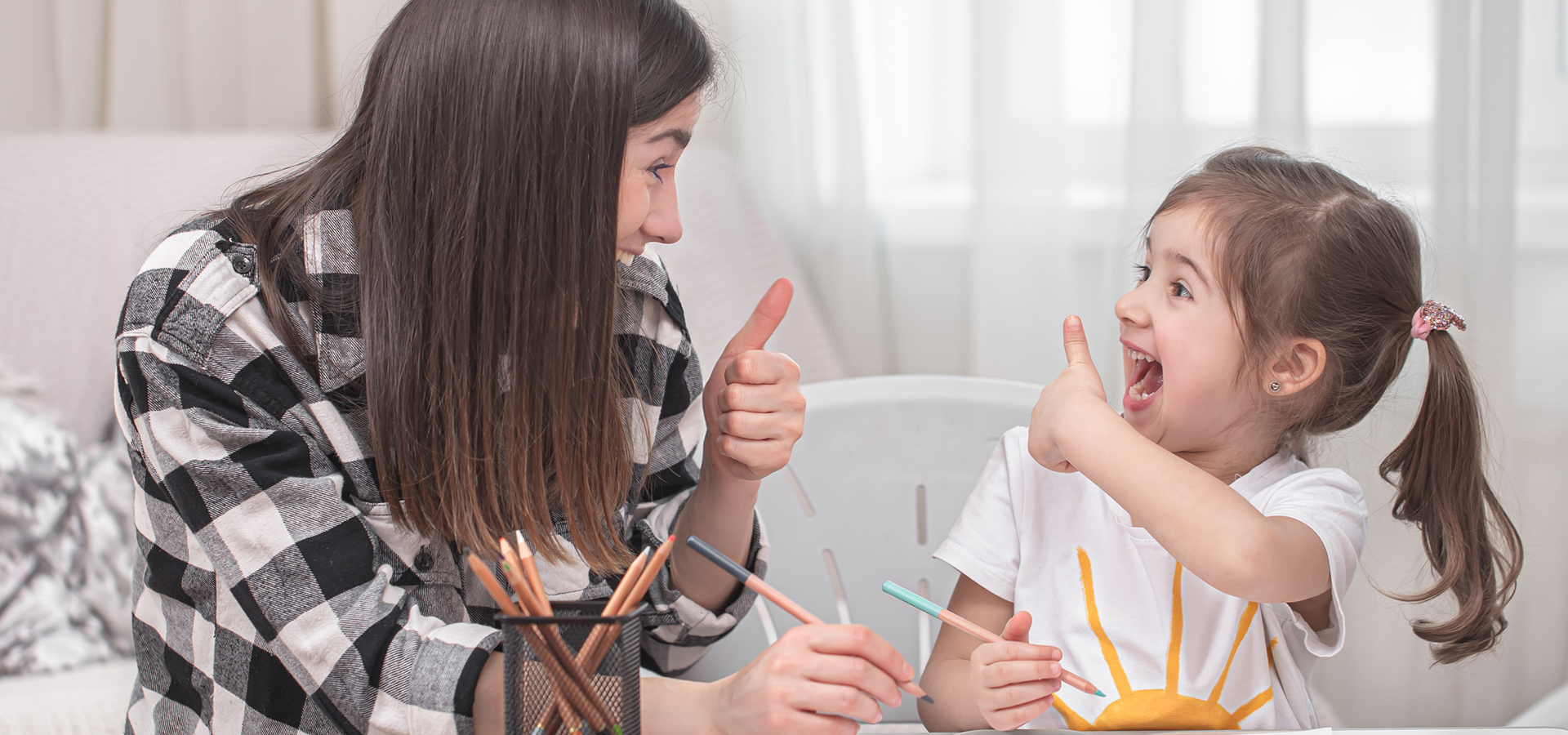
Empowering children with autism to develop essential self-help skills is vital for fostering independence, self-esteem, and a fulfilling life. Tailored strategies and practical resources, when applied consistently in natural environments, can significantly enhance their ability to perform routine tasks. This comprehensive guide explores effective teaching methods, caregiver support techniques, and intervention activities designed to promote self-help skills within the home setting.
What are effective methods for teaching self-help skills to children with autism at home?
Teaching self-help skills effectively within the home environment involves a combination of strategies tailored to each child’s needs. One of the foundational methods is establishing structured routines. Consistent routines help children understand what to expect, reducing anxiety and encouraging engagement in self-care tasks like dressing, brushing teeth, or toileting.
Visual supports play a crucial role in facilitating independence. Checklists, picture schedules, and labels visually guide children through each step of a task, making abstract instructions concrete and accessible. These supports are particularly effective when combined with social stories or visual cues that reinforce expected behaviors and routines.
Breaking down complex activities into small, manageable steps using task analysis is another vital technique. Tasks such as brushing teeth or dressing are divided into specific actions, allowing children to master each component before progressing to the next. This incremental approach prevents overwhelm and builds confidence.
Reinforcement strategies like praise, tokens, stickers, or access to preferred activities motivate children to practice and retain new skills. Positive reinforcement encourages ongoing effort and helps establish a pattern of success.
Integrating teaching into natural daily activities, such as cooking, laundry, or shopping, promotes skill generalization. Practicing self-care routines during their usual context ensures skills are transferable across settings.
Consistency, patience, and modeling are essential components. Parents and caregivers should demonstrate behaviors, offer prompts as needed, and gradually fade assistance as competence increases. Observing progress and adjusting strategies accordingly ensures the approach remains effective.
Incorporating evidence-based strategies from Applied Behavior Analysis (ABA), including prompting, prompt fading, and reinforcement, enhances the likelihood of skill acquisition. Using visual aids, social stories, and role-playing helps children understand and perform tasks.
Assessing individual abilities through tools like the Community-Based Skills Assessment (CSA) guides personalized planning. Tailoring goals to each child’s developmental level ensures that skills are achievable and meaningful.
Overall, the combination of structured routines, visual supports, task analysis, reinforcement, natural activity integration, and ongoing assessment creates a comprehensive framework for teaching self-help skills at home. These methods not only foster independence but also boost confidence and self-esteem, empowering children with autism to participate more fully in
everyday life.
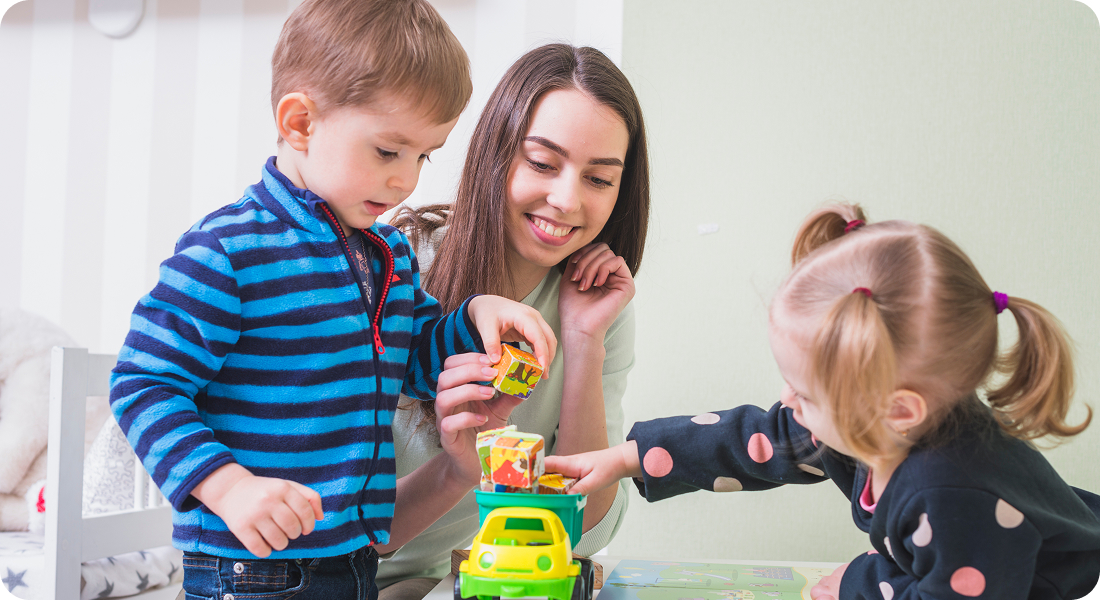
What are effective methods for teaching self-help skills to children with autism at home?
Teaching self-help skills effectively within the home environment involves a combination of strategies tailored to each child’s needs. One of the foundational methods is establishing structured routines. Consistent routines help children understand what to expect, reducing anxiety and encouraging engagement in self-care tasks like dressing, brushing teeth, or toileting.
Visual supports play a crucial role in facilitating independence. Checklists, picture schedules, and labels visually guide children through each step of a task, making abstract instructions concrete and accessible. These supports are particularly effective when combined with social stories or visual cues that reinforce expected behaviors and routines.
Breaking down complex activities into small, manageable steps using task analysis is another vital technique. Tasks such as brushing teeth or dressing are divided into specific actions, allowing children to master each component before progressing to the next. This incremental approach prevents overwhelm and builds confidence.
Reinforcement strategies like praise, tokens, stickers, or access to preferred activities motivate children to practice and retain new skills. Positive reinforcement encourages ongoing effort and helps establish a pattern of success.
Integrating teaching into natural daily activities, such as cooking, laundry, or shopping, promotes skill generalization. Practicing self-care routines during their usual context ensures skills are transferable across settings.


