
Key Points:
- In-home ABA brings therapy into everyday routines at home.
- Gold Standard ABA provides personalized, BCBA-led in-home support for families.

What if therapy could happen at your kitchen table instead of in a clinic across town? For a lot of Maryland families, that question changes everything.
If you have an autistic child and you are weighing your options, in-home ABA might be the fit you have been looking for. At Gold Standard ABA, we work with families across Montgomery County and Howard County to bring real, day-to-day support right into the spaces where kids live, play, and grow.
What Is In-Home ABA Therapy?
In-home ABA therapy is exactly what it sounds like. A trained therapist comes to your house and works with your child in the place they know best.
ABA stands for Applied Behavior Analysis. It is a science-based approach to building skills and reducing challenging behaviors. When it happens at home, the learning fits your child’s real life, not a clinic schedule.
What Sets In-Home ABA Apart
- Sessions happen in your living room, kitchen, or bedroom
- Therapists work on routines that matter to your family
- Skills get practiced where they will be used
- Parents are part of the team, not in a waiting room
- Siblings can be looped in when it makes sense
For families looking into ABA therapy Montgomery County Maryland services, in-home support has become one of the most asked about options.
Who Is In-Home ABA Therapy For?
In-home ABA tends to be a strong fit for kids who:
- Have a diagnosis of Autism Spectrum Disorder
- Struggle with daily routines like meals, bath time, or sleep
- Have a hard time with transitions
- Need help with communication, including nonverbal kids
- Show challenging behaviors at home more than at school
- Get overwhelmed in new or busy places
- Are too young for school-based programs
It also helps families who want to be more involved in their child’s progress. If you want to learn alongside your child, this approach is built for you.

How In-Home ABA Therapy Works at Home
Many parents picture a strict clinical setup. The truth is much more flexible.
A typical in-home session might include:
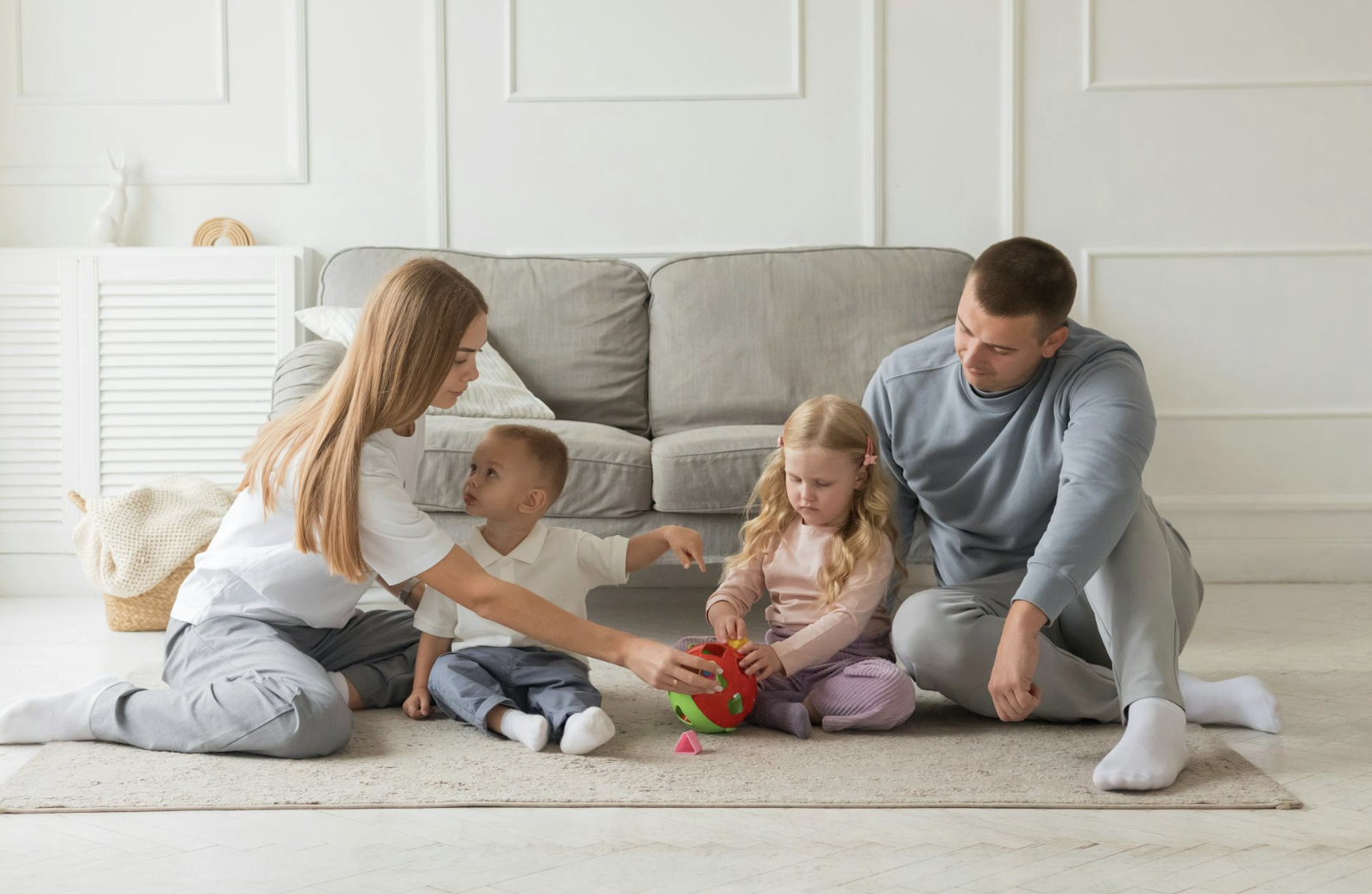
- Play-based learning on the living room floor
- Practicing how to ask for a snack at the kitchen table
- Working on getting dressed in the bedroom
- Tackling toothbrushing in the bathroom
- Building tolerance for waiting during sibling activities
- Practicing calm-down skills before bedtime
Your therapist meets your child where they are. Sessions follow your child’s interests, your family’s routines, and goals built around your real life.
For families searching for in-home ABA therapy in Howard County, MD, this kind of fit-into-real-life approach is what makes the difference.
In-Home ABA in Practice
Let’s say you have a five-year-old named Jake. Jake melts down every morning when it is time to put on his shoes. By the time you get to the car, everyone is upset.
Here is how in-home ABA might help:
- The therapist watches the morning routine to see what triggers Jake
- A visual schedule is added so Jake knows what is coming
- Shoes are introduced in short, calm practice sessions during the day
- Jake earns a small reward each time he tries
- Mom learns the same prompts and uses them on therapist off days
Within a few weeks, shoes stop being the morning crisis. Jake walks to the car on his own. The family gets ten minutes back, and the day starts better.
That is the kind of change in-home ABA can bring. It is not magic. It is small steps, done in the right place, by people who know what they are doing.

Benefits of ABA Therapy at Home
When parents ask why in-home ABA works so well, here is what we tell them.
- Skills Transfer Faster: Children practice in the exact setting where behaviors happen. Mealtime. Getting dressed. Transitions between activities. There is no gap between learning and using the skill.
- Parent Involvement Is Easier: You are there. You see what works. You reinforce goals all day, not just during a scheduled session.
- Better Generalization: Progress does not stay locked in a therapy room. It shows up across meals, play, and morning routines.
- Home Specific Behavior Support: The behaviors that are hardest at home get worked on at home, in context, in real time.
- Flexible, Child-Led Pacing: Sessions follow your child’s interests and energy. That keeps engagement high and meltdowns low.
- Data Driven Progress: Goals are tracked and adjusted often. You always know where your child stands.
How In-Home ABA Therapy Works at Gold Standard ABA
If you are wondering, “How does in-home ABA therapy work?” the process is simpler than you might think. We keep it clear and consistent, so families spend less time on logistics and more time seeing progress.
Step 1: Initial Consultation
We connect with your family to learn about your child, your concerns, and your goals. This helps us understand what support looks like in your specific home.
You can start that conversation when you contact us.
Step 2: Insurance Review
We verify your coverage and walk you through what is included. Maryland Medicaid and most private plans cover ABA services when medically necessary.
Step 3: BCBA Assessment
A Board Certified Behavior Analyst runs a clinical evaluation. They look at your child’s current skills, behaviors, and developmental needs.
Step 4: Treatment Plan and Goals
The BCBA builds a treatment plan with clear, measurable goals. Every part of the plan is grounded in data and connected to your daily life.
Step 5: In-Home Sessions Begin
A Registered Behavior Technician (RBT), supervised by your child’s BCBA, delivers therapy at home. Sessions may include:
- DTT (Discrete Trial Training) in a home setting
- Naturalistic teaching during play
- Practice during everyday routines
- Skill-building tied to your child’s goals
Step 6: Ongoing Updates and Progress Reviews
Progress gets reviewed often. Parents get updates. The plan adjusts as your child grows.

How Many Hours of ABA Therapy Will My Child Need?
This is one of the most common questions we hear. The honest answer is that it depends.
A supervisor will look at:
- Assessment results
- Your child’s goals
- Age and developmental stage
- Daily challenges at home
Some kids need intensive hours. Others do well with fewer. We never push more hours than a child needs, and we never short-change a plan to save time.
What Sets Us Apart
- BCBA-led programs from day one
- Parent training is built into every plan
- A team that treats your family like partners
- Flexible scheduling that fits real life
- Clear, regular communication about progress
If you are weighing in-home ABA for your child, reach out to our team today. We will walk you through what is possible, what your insurance covers, and how soon we can get started.

FAQs
- What is in-home ABA therapy?
In-home ABA therapy brings a trained therapist into your home to help your child build communication, daily living, and behavior skills in the environment where they naturally occur.
- Is in-home ABA therapy effective for children with autism?
Yes. In-home ABA is highly effective because children learn and practice skills in real-life settings like mealtimes, bedtime routines, and play, which helps improve consistency and generalization.
- Who qualifies for in-home ABA therapy in Maryland?
Children with a diagnosis of Autism Spectrum Disorder who show developmental, communication, or behavioral needs may qualify. A BCBA assessment and insurance authorization are typically required.
- How many hours of in-home ABA therapy does a child need?
It depends on the child’s needs, goals, and assessment results. Some children benefit from intensive support, while others may need fewer hours focused on specific skills.
- How does Gold Standard ABA get started with families?
We begin with a consultation, verify insurance, complete a BCBA assessment, create a treatment plan, and then begin in-home therapy with ongoing progress monitoring.
- Does insurance cover in-home ABA therapy?
Most Maryland Medicaid plans and many private insurance plans cover in-home ABA therapy when it is medically necessary. Gold Standard ABA helps families verify benefits and obtain approvals.


